-
b-m00.jpg
-
b-m00a.jpg
-
b-m01-pawel-jozwiak.jpg
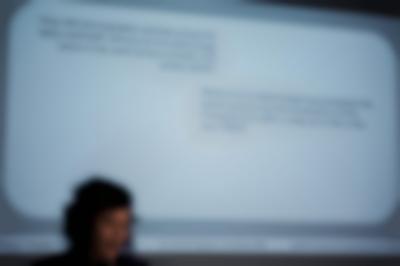
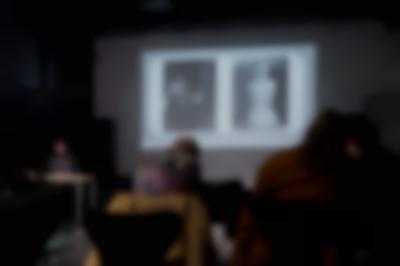
Megan Hoetger, “Body + Motion” keynote lecture on occasion of the 16th IN OUT Video Art Festival, Gdańsk, Poland, October 2024. Photo: Paweł Jóżwiak, courtesy of CCA ŁAŹNIA.
-
b-m02a-pawel-jozwiak.jpg
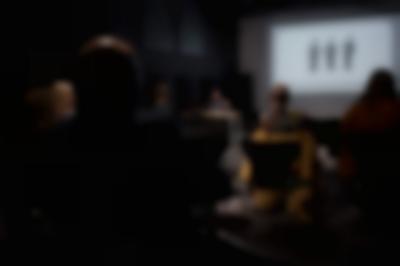
Megan Hoetger, “Body + Motion” keynote lecture on occasion of the 16th IN OUT Video Art Festival, Gdańsk, Poland, October 2024. Photo: Paweł Jóżwiak, courtesy of CCA ŁAŹNIA.
-
b-m02b.jpg
-
b-m02c.jpg
-
b-m03a-pawel-jozwiak.jpg
Megan Hoetger, “Body + Motion” keynote lecture on occasion of the 16th IN OUT Video Art Festival, Gdańsk, Poland, October 2024. Photo: Paweł Jóżwiak, courtesy of CCA ŁAŹNIA.
-
b-m03b.jpg
-
b-m03c.jpg
-
b-m04b.mp4
-
b-m04a-pawel-jozwiak.jpg
Megan Hoetger, “Body + Motion” keynote lecture on occasion of the 16th IN OUT Video Art Festival, Gdańsk, Poland, October 2024. Photo: Paweł Jóżwiak, courtesy of CCA ŁAŹNIA.
-
b-m04c.mp4


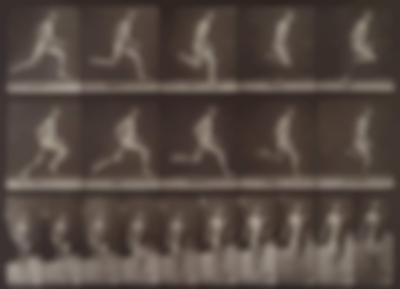
“These phantom horses were soon followed by phantom humans, who ran and turned somersaults to even greater admiration. […] the same principles of mechanical repetition that made possible industrial reproduction had now made movement more visible. Movement itself had become a ‘visible mechanics.’”
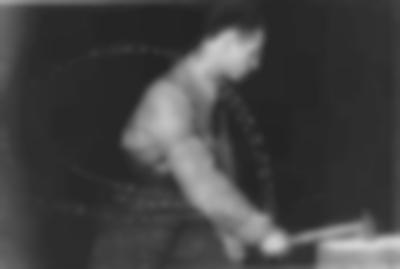
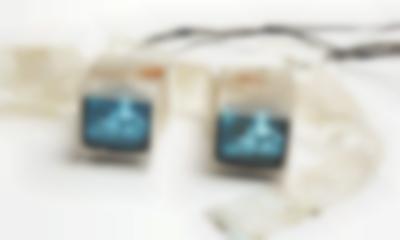
Building from what film theorist Linda Williams coined the “frenzy of the visible,” Hoetger’s keynote lecture rehearsed scenes of the “phantom horses” and “phantom humans” from a story of body motion capture leading from early photographic experiments by Edward Muybridge, Alexei Gastev and others, to the era of video art with works by Joan Jonas, Steina and Woody Vasulka, and Nam June Paik. Looking at the long arc of these imaging technologies, Hoetger considered medial concerns with mapping movement that link the photograph and video screen.
“Body + Motion. Mapping Movements from Early Photography to the Era of Video Art” was delivered on occasion of the 16th annual IN OUT Video Art Festival in Gdańsk, Poland. Special thanks to Jola Woszczenko for the invitation, and to Oriana Radziuk for her coordination assistance.